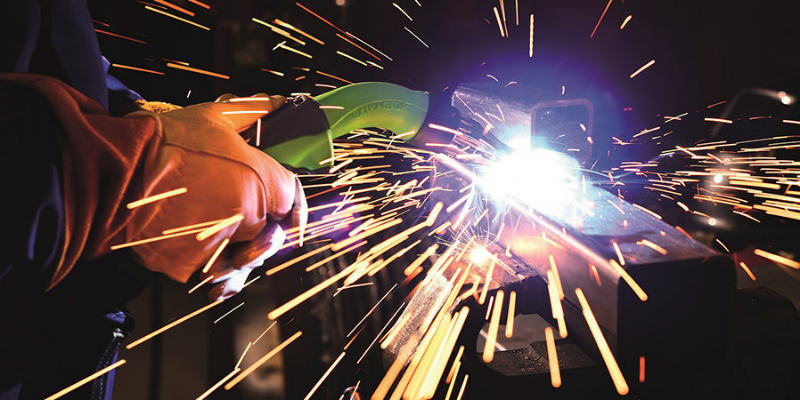
Welding Fume Health and Safety
Lung cancer can be caused by exposure to welding fumes, including those from mild steel. This informative video explains how to reduce workers’ exposure to welding fumes by using on-torch Local Exhaust Ventilation (LEV) effectively. Built into the welding torch, this extraction captures fumes at the source before they can be inhaled and cause harm.
The video covers:
- core operating principles
- proper welding practices
- common problems and how to resolve them
- the importance of training and workplace culture
Watch the video below.
Click Here for further guidance on controlling welding fume risks is available from the Health and Safety Executive website.

On-Torch Extraction Practical Guidance, Tips and Advice
Commission your LEV system
Local Exhaust Ventilation (LEV) controls exposure to gases, vapours, dusts, fumes and mists in workplace air by removing contaminants at source before they can be inhaled.
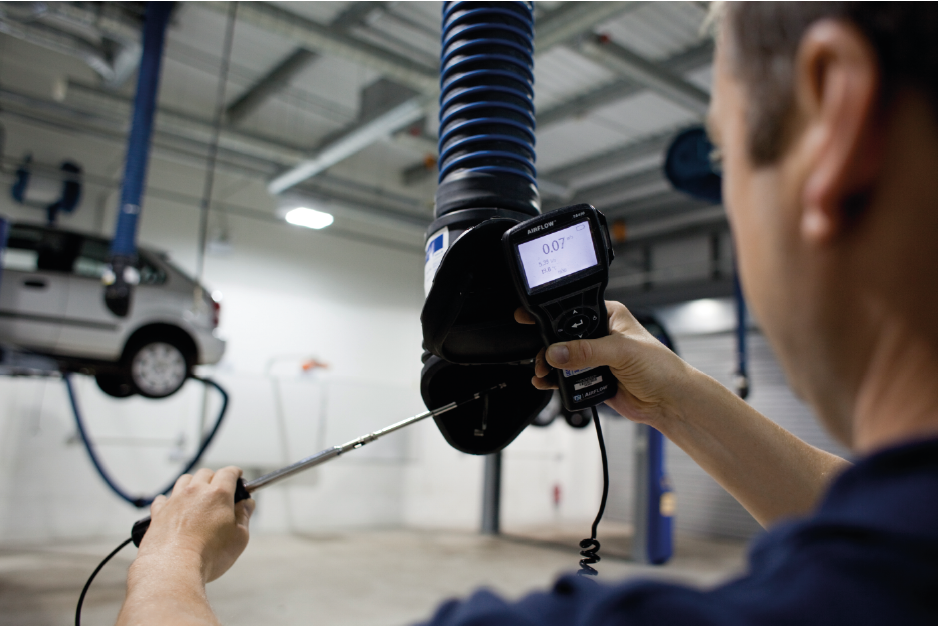
‘Commissioning’ means verifying that the LEV system provides effective control. Employers should commission their LEV systems to ensure they adequately protect workers from breathing in harmful substances.
Under the Control of Substances Hazardous to Health Regulations 2002 (COSHH), duty holders must properly control exposure to hazardous substances that can cause ill-health in the workplace.
In Great Britain, occupational lung disease is linked to around 12,000 deaths each year, associated with past workplace exposures. A key aim of the Health and Safety Executive 10-year strategy, ‘The HSE Strategy – protecting people and places’, is to reduce work-related ill-health, with a strong focus on preventing occupational lung disease.
Read more: Commission your LEV system (HSE webpage).
Get in touch with us to find out how AES can help you create a safer workplace.
Get a quote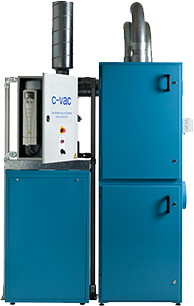
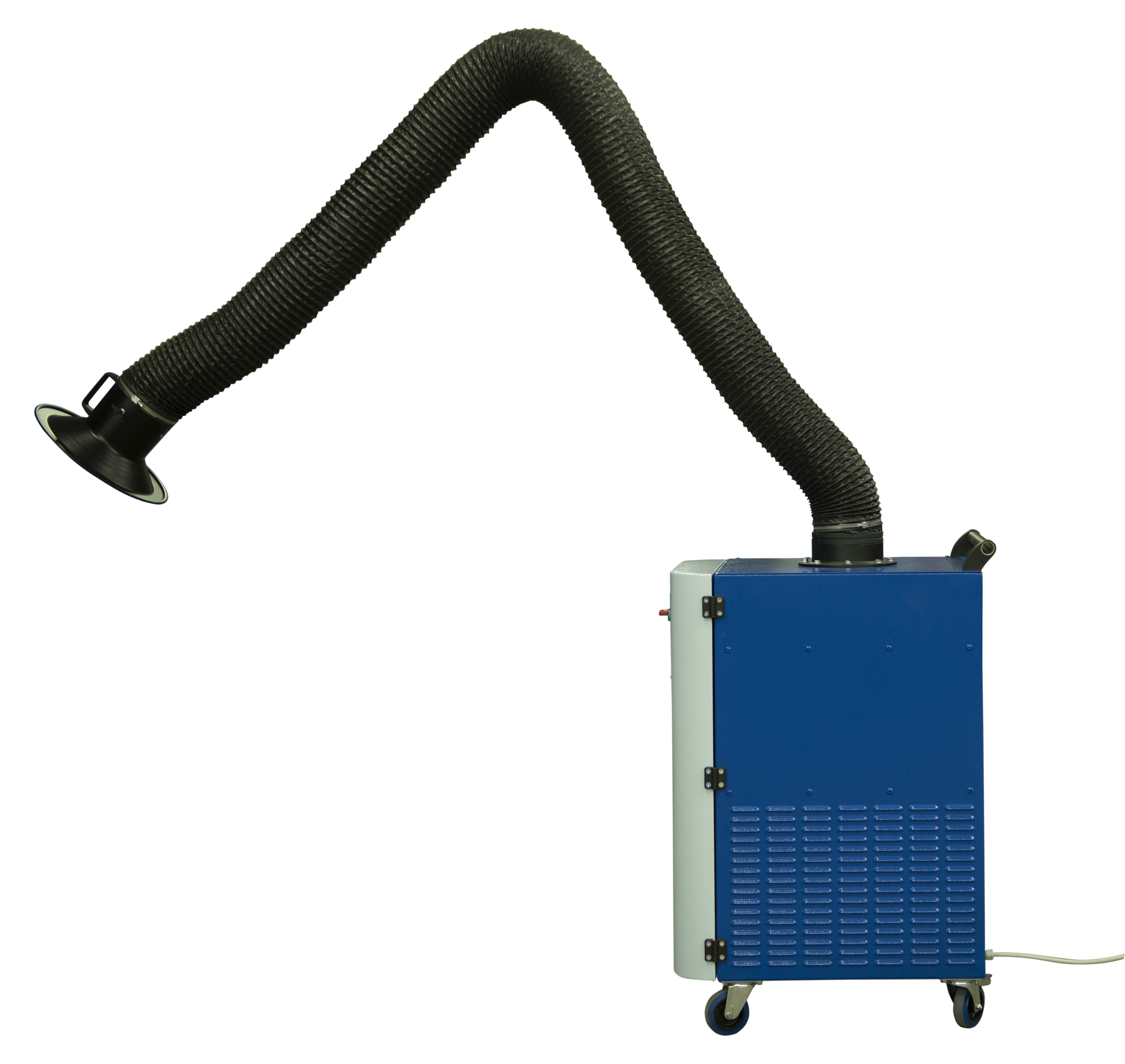
Get in touch with us
Contact us using the links below to speak to one of our consultants. You can ask us a question, look up useful resources or call us on 0800 032 0895 for an instant response.